
Word Wanderer - win real cash
hindustanfoodWord
4.8300.00 Reviews
- Version
- 1.4
- Installs
- 50.00K
- Age Rating
- Everyone
Screenshots
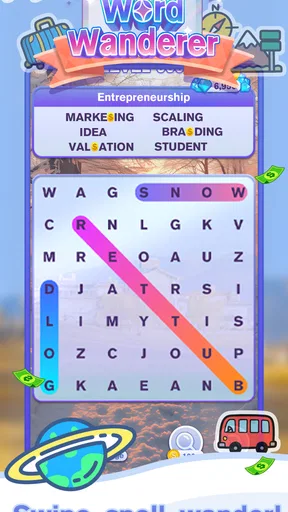
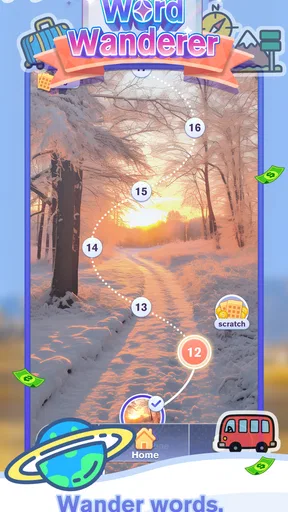
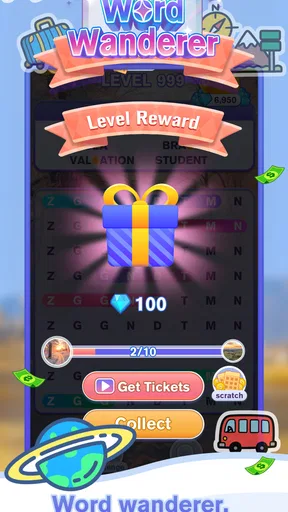

Our Review of Word Wanderer - win real cash
 Analysis by Appyee
I approached Word Wanderer - Win Real Cash as a decision rather than simply another word-game download. The basic idea is easy to understand: swipe through letters, build words, collect diamonds, and work toward a PayPal cash-out. That combination makes it more interesting than a standard vocabulary pastime, but it also means the right question is not only whether the puzzles are enjoyable. You also need to decide whether the reward-focused format suits the way you like to play.
This is a free word game from hindustanfood, rated for Everyone. It has reached over 50 thousand installs, with a 4.8 average from around 2.8 thousand ratings and 299 written reviews. Those figures suggest that the concept has found an audience, although I would still treat the cash element as an extra reason to try it rather than the sole reason to install it.
What I look for before choosing a word game
My first test is whether the core activity remains pleasant when there is no reward attached. In this case, the central action is familiar and accessible: I swipe across letters to form words. That makes the game approachable for short sessions, especially when I want something quieter than a reflex-heavy game or a competitive multiplayer title.
The second test is clarity. A reward-based game needs to make the relationship between play, diamonds, and PayPal withdrawal understandable. If I have to guess how progress works, the reward system becomes distracting instead of motivating. I would therefore pay attention to the in-game balance: how naturally diamonds arrive, whether the game explains the route to cash-out, and whether the play experience still feels worthwhile while building toward that goal.
The third test is patience. Word puzzles can be relaxing, but a cash-out objective may encourage me to think about progress in a more mechanical way. I might start choosing actions because they appear efficient rather than because they are satisfying. That is not automatically a flaw, but it changes the mood compared with a traditional crossword, an anagram book, or a word game played purely for a score.
How the swipe-based format feels in everyday use
The swipe interaction is a sensible fit for a phone. I can play with one hand while waiting for a bus, taking a short break, or winding down before bed. There is no need to prepare a notebook or remember a complicated control scheme. The low barrier is one of the strongest reasons to consider this particular game.
A realistic use case is a few spare minutes between appointments. I can open the game, look for combinations, and stop without committing to a long session. That makes it more convenient than a full-length word puzzle book when I only have my phone available. It also gives the reward loop more chances to become part of a daily routine, because the activity is easy to start.
At the same time, swipe puzzles are not ideal for everyone. Players who prefer carefully constructed clues, definitions, or long-form deduction may find the letter-building approach too light. The game is closer to quick word discovery than to solving a newspaper crossword. I would choose it for casual vocabulary play, not as a replacement for a demanding language-learning course or a deep puzzle collection.
Where the reward system changes the decision
The promise of diamonds and PayPal cash-out gives the game a clear hook. It can make an ordinary word session feel more purposeful, particularly for someone who enjoys watching a visible balance grow. The important distinction is that the reward system should be viewed as a progression layer around the word game, not as a dependable income source.
I would approach every reward milestone with practical expectations. A game can be free to download and still require time, repetition, or patience before a withdrawal becomes relevant. The sensible workflow is to learn the puzzle loop first, understand how diamonds are earned, and only then decide whether the effort feels reasonable for the potential benefit. That prevents the cash promise from overshadowing the actual entertainment value.
There is also a useful mental boundary to keep: never spend money or make decisions based on an assumed return that the game itself has not clearly established. Since the appeal is tied to PayPal, I would inspect the withdrawal instructions inside the app before investing serious time. I would also make sure the PayPal account details are entered carefully, because a reward system is only useful when the final step is understandable and practical.
Small habits that make play more efficient
One non-obvious advantage of a swipe word game is that I can change my approach depending on my goal. When I am playing for relaxation, I can search freely and accept slower progress. When I am focused on diamonds, I can pay closer attention to the game’s wording, available objectives, and any clearly presented progression requirements instead of swiping randomly.
I also recommend separating “word confidence” from “word experimentation.” I start with combinations that look obvious, then use less familiar possibilities only after checking the available letters carefully. This reduces wasted moves and keeps the session from turning into frantic guessing. It is a simple habit, but it matters more in a reward-oriented game because repeated inefficient attempts can make progress feel slower.
Another useful routine is to stop after a defined short session rather than playing indefinitely. Reward loops are designed to encourage one more round, and word games can become repetitive when I continue after the puzzle has stopped feeling fresh. A short limit helps me judge whether I genuinely enjoy the game or am merely chasing the next diamond milestone.
Where this game is stronger than usual alternatives
Compared with a standard offline word puzzle, the most obvious difference is the reward purpose. A conventional crossword or anagram app may offer a cleaner, distraction-free experience, but it usually does not connect progress with a PayPal cash-out goal. For players who like a tangible incentive, this game has a more distinctive reason to open it.
It is also more immediately approachable than clue-heavy alternatives. Someone who finds cryptic clues frustrating may prefer forming words directly from visible letters. The swipe control keeps the interaction physical and quick, while the Everyone rating makes the concept suitable for a broad audience.
The free price lowers the risk of trying it. I do not have to buy a puzzle pack before discovering whether the word style suits me. That matters because word games are highly personal: some players enjoy guessing from letter groups, while others need definitions, themes, or a strong narrative to stay interested.
The reception is another encouraging sign. A 4.8 average and more than 2 thousand ratings indicate that many people have responded positively to the experience. I would not treat that as proof that every player will enjoy it, but it does make the download feel less like an unknown experiment than a game with an established user response.
Where a different kind of word game may fit better
I would look elsewhere if my main goal were serious vocabulary development. A dedicated language-learning app usually offers structured lessons, explanations, and deliberate repetition. This game may encourage me to recognize and assemble words, but that is not the same as teaching definitions, grammar, pronunciation, or long-term retention.
I would also choose a traditional crossword or a clue-based puzzle when I want depth. Those formats reward interpretation and general knowledge in a way that a swipe mechanic may not. Likewise, a competitive word board game is a better choice if I want direct strategic interaction with other players rather than a personal progression loop.
Players who dislike reward mechanics should think carefully before installing. Even if the word activity itself is enjoyable, the diamond and cash-out framing may make the experience feel transactional. Someone who wants a completely pure puzzle environment may be happier with an ad-light paid game or a simple offline collection, depending on personal preference.
There is a similar issue for people who expect immediate cash. The title can attract users who are focused almost entirely on earning, but that is the group most likely to become disappointed if progress feels slow or the withdrawal process requires patience. I would only recommend it to that audience if they are also willing to treat the word play as the main activity.
What to check before committing time
The first thing I would inspect is the path from diamonds to PayPal. I want to know what the app displays about eligibility, the required balance, and the steps involved in requesting a withdrawal. I would not assume that collecting diamonds automatically means instant payment. Reading the in-app explanation early is a practical way to decide whether the reward loop is worth continuing.
The second check is account comfort. Because PayPal is part of the experience, I would use only the information needed by the game’s own withdrawal process and avoid sharing unnecessary personal details. I would also review any confirmation screens carefully before submitting a request. This is ordinary caution, but it is especially important when a casual game includes a financial destination.
The third check is whether the game remains enjoyable without constantly monitoring the balance. I suggest playing several short sessions while focusing on the word mechanics. If the swiping feels satisfying on its own, the diamonds can remain a pleasant bonus. If every round feels like unpaid repetition, a conventional word game will probably offer better value for your time.
Version, access, and practical compatibility
The current version is 1.4, and the game requires Android 9 or later. That is useful to know before downloading, particularly if I am using an older phone. On a compatible device, the free entry point makes testing straightforward, but I would still leave room for the possibility that the experience may feel different across screen sizes or device performance levels.
The Everyone age rating makes the concept broadly accessible, although younger players should still understand that the reward and PayPal elements are not the same as guaranteed earnings. I would explain the difference clearly if a child wanted to play: the game is entertainment first, and any cash-out goal should be approached with adult guidance.
The developer is listed as hindustanfood. For me, that makes it sensible to pay attention to the developer information shown in the app and store before linking a payment account. I am not suggesting a problem; I simply think reward-based apps deserve a more careful installation decision than a word game that never involves withdrawals.
The real cost of switching from another word game
Moving from a familiar crossword or anagram app is not technically difficult, but the habit change can be noticeable. I would be trading a known puzzle style for a swipe-and-diamond routine. The time cost is the main factor: learning how the game presents progress, understanding withdrawal requirements, and deciding whether the reward pace feels fair all take attention that a conventional puzzle may not demand.
There is also a motivational trade-off. A normal word game lets me stop when I am satisfied. A reward-based game can make stopping feel like giving up progress. If I already have a favorite puzzle app that I enjoy without pressure, switching only makes sense if the cash-out concept genuinely adds motivation rather than making the hobby feel like a task.
The easiest way to test that trade-off is to keep the first sessions short and compare the feeling afterward. Did I remember an interesting word, enjoy the search, or feel pleased by the puzzle? Or was I mainly checking the reward balance? The answer tells me more than the title alone. It also helps avoid spending weeks on a game that does not match my preferred reason for playing.
My recommendation for different players
I recommend giving this game a try if you want a simple word activity for spare moments and you like the idea of collecting diamonds toward a PayPal cash-out. The free price, accessible swipe controls, broad age rating, and strong average response make it an easy candidate for a low-risk trial. I would especially suggest it to casual players who enjoy small, repeatable goals.
I would recommend a more cautious approach if your only interest is real-world earnings. Treat the cash-out feature as a possible bonus, verify the in-game process before investing substantial time, and never confuse a game’s reward loop with reliable income. That mindset keeps expectations realistic and lets you judge the app on both entertainment and convenience.
I would skip it in favor of a traditional crossword, a clue-based word puzzle, or a language-learning tool if you want depth, instruction, or a completely reward-free experience. Those alternatives may serve a clearer purpose for focused learning or serious puzzle solving. This title is at its best when the player wants quick word formation with an added incentive.
After weighing those differences, my view is positive but measured. Word Wanderer works best as a casual word game with a reward angle, not as a financial solution. If that description matches what you want, its straightforward format makes it worth trying. If the cash promise is the only thing holding your attention, I would choose another app unless the actual progression and withdrawal information feel satisfactory to you.
Verdict
Strengths of Word Wanderer - win real cash
- Simple word puzzles are easy to learn and suitable for short sessions.
- Cash competitions can add extra motivation for puzzle fans.
- Clean gameplay keeps the focus on solving words.
- Different challenge formats help prevent the experience feeling repetitive.
- Useful for practicing spelling, vocabulary, and quick thinking.
Limitations of Word Wanderer - win real cash
- Cash rewards may depend on eligibility, rankings, and available tournaments.
- Some competitions may require entry fees or in-app purchases.
- Earnings are not guaranteed, even for skilled players.
- Ads or promotional offers may interrupt the free gameplay experience.
- Availability of cash contests can vary by country and local regulations.
Similar Picks in This Category
View All
Word Search - Word Puzzle Game
Bluetile4.8

Word Search Quest - Puzzles
Blackout Lab4.8

CodyCross: Crossword Puzzles
Fanatee, Inc.4.7

Words of Wonders: Crossword
Fugo Games4.9

Wordscapes: Word puzzle game
PeopleFun4.7

Word Search Explorer
PlaySimple Games4.9
Frequently Asked Questions
What is Word Wanderer - win real cash?
Word Wanderer - win real cash is a word-based puzzle game that challenges you to find, connect, or solve words through progressively engaging levels. Alongside the entertainment, the app promotes the possibility of earning real cash or rewards. Before downloading, remember that earning opportunities may depend on your location, eligibility, available contests, and the app’s current terms rather than being guaranteed for every player.
Can you really win real money with Word Wanderer?
The app may offer cash prizes, rewards, or other incentives through gameplay, competitions, tasks, or promotional events. However, winning is not automatic and usually depends on performance, rankings, contest rules, and the availability of eligible opportunities. Users should carefully review prize conditions, minimum withdrawal requirements, processing times, and any applicable fees before assuming that regular play will generate guaranteed income.
Is Word Wanderer - win real cash free to download and play?
Word Wanderer may be available as a free download, allowing users to access the main game without paying an upfront purchase price. Nevertheless, free apps can include advertisements, optional purchases, limited energy, or features that require additional spending. Check the Google Play Store or Apple App Store listing for the latest information about in-app purchases and subscription terms before installing.
How do withdrawals work in Word Wanderer?
Withdrawal methods and eligibility can vary depending on the country, payment provider, account status, and the specific reward system used by the app. You may need to reach a minimum balance, verify your identity, or connect a supported payment account. Read the withdrawal instructions carefully, because processing may take time and some rewards may be subject to restrictions or availability.
Is Word Wanderer safe for children and personal data?
Parents should review the app’s age rating, privacy policy, advertising practices, and permissions before allowing children to use Word Wanderer. Games involving cash rewards may request account or payment-related information, so users should only provide details through official in-app channels. Avoid third-party download websites, never share passwords or payment credentials unnecessarily, and supervise younger players when prize-based features are involved.
Play our best games!


